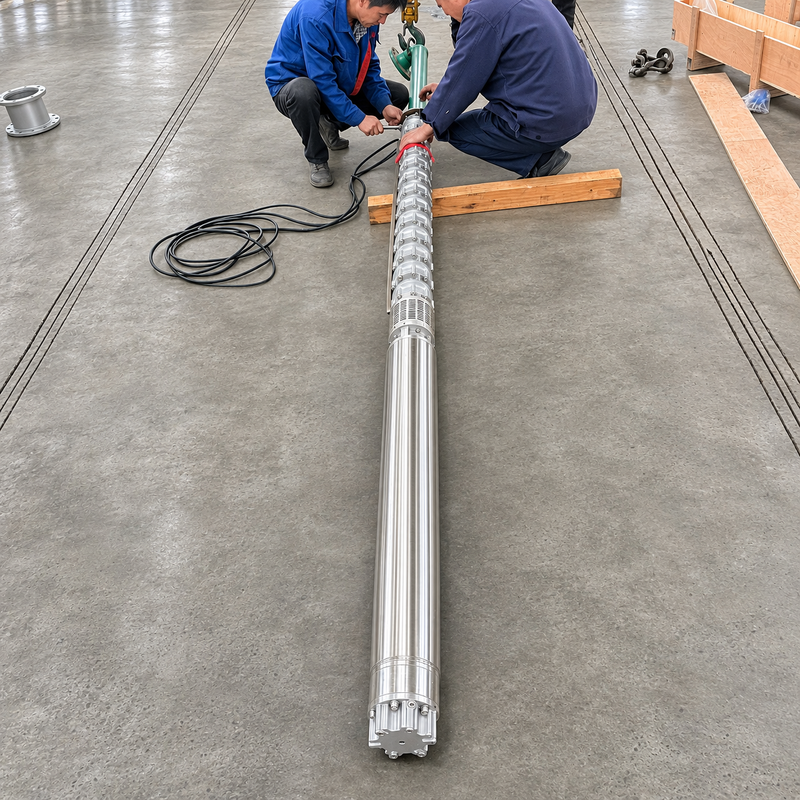
Product Overview
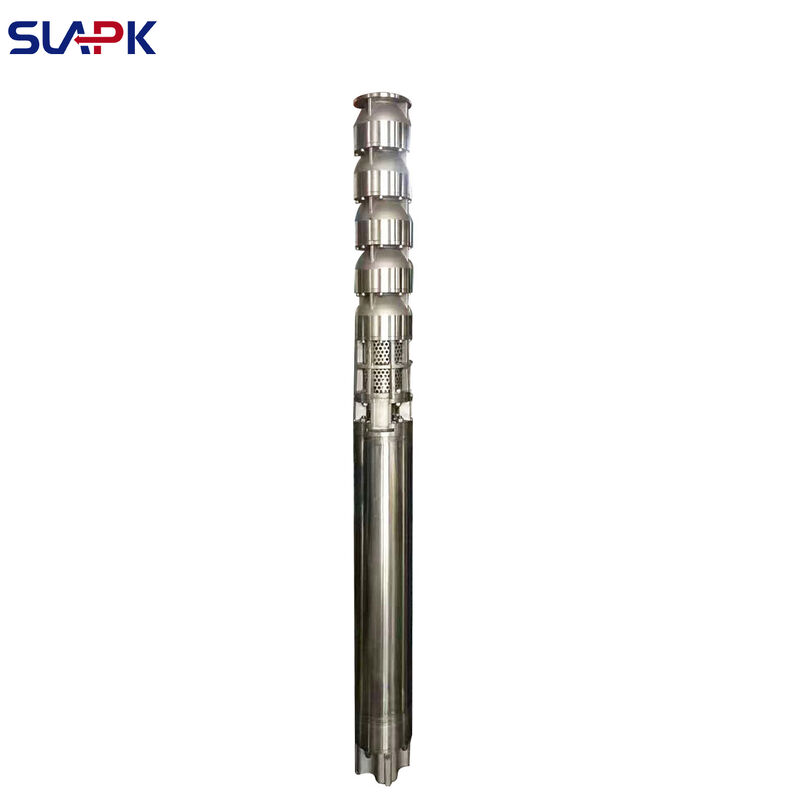
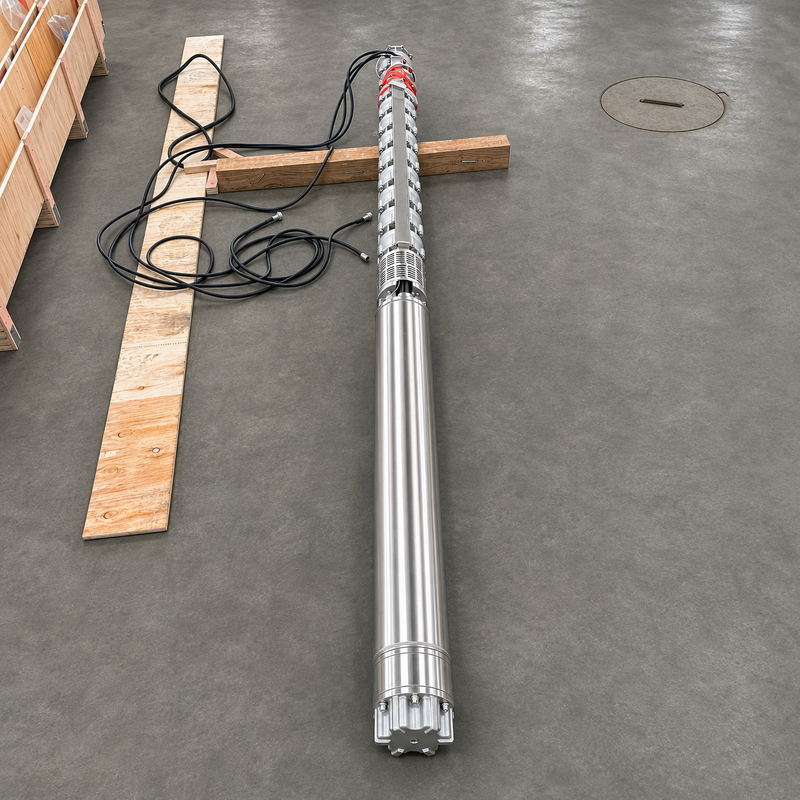
A farm water supply system needs to move enough water from the well to where it will be used. Our SLAPK 200QJ20-93/7 is a 10kW deep well submersible pump that can be assessed for filling farm tanks, supplying irrigation reservoirs and transferring groundwater around the farm.
This configuration uses cast stainless steel hydraulic components. Its nominal flow is 20 m³/h, and its nominal head is 93 m. We match the pump to your pumping water level, delivery height and pipeline so that the selection reflects the actual job.
Whether you are installing a new well pump or replacing an existing unit, we can work from your site details to prepare a suitable configuration and quotation.
Main Technical Specifications
| Model |
200QJ20-93/7 |
| Motor power |
10 kW |
| Nominal flow |
20 m³/h |
| Nominal head |
93 m |
| Catalog flow range |
18–22 m³/h |
| Catalog head range |
79–107 m |
| Outlet |
2.5 inches |
| Hydraulic construction |
Cast stainless steel configuration |
The nominal figures identify the model. Actual flow depends on the connected system, and the final duty point should be checked against the performance curve. The maximum listed flow and maximum listed head are not available simultaneously.
Cast Stainless Steel Parts for the Water Path
The hydraulic assembly contains the parts that guide water through the pump and build pressure. For this version, we specify cast stainless steel hydraulic components and identify the material grade in the quotation.
Material choice depends on the water and the project specification. If your water report shows elevated salt or chloride content, send it with your inquiry so we can review the proposed materials.
We also list the motor housing and other relevant component materials separately. This makes it easier to check what you are buying and avoids confusion between a stainless steel hydraulic assembly and the materials used throughout the complete unit.
Filling a Farm Storage Tank
A storage tank gives the farm a water reserve and allows pumping to be scheduled around daily demand. To select a pump for tank filling, we start with the required volume and the available operating hours.
For example, if the confirmed flow at your site is 20 m³/h, transferring 80 m³ of water would take approximately four hours. That estimate changes if the actual flow changes.
Tank elevation and pipeline length also matter. A tank further uphill or connected by a long pipe may need more pump head, even when the required daily water volume stays the same.
Tell us the usable tank capacity, how quickly it needs to refill and whether other water users operate while it is filling.
Matching the Pump to the Well
The well must be able to supply water at the chosen pumping rate. If pumping draws the water level down substantially, the pump has more lifting work to do and the available submergence may change.
Useful information includes the static water level, the water level during pumping and any well-test results. Seasonal water-level changes are particularly helpful for farms that use the most water during dry weather.
We use this information to check both the required head and the installation conditions. Well depth alone is not enough to select the pump.
Understanding the Required Head
The 93 m nominal head does not mean the pump should be installed exactly 93 m underground.
The required head includes the lift from the pumping water level, the height of the delivery point, losses through the pipework and any pressure needed at the outlet. An open tank and a pressurized irrigation system can therefore require different pump duties.
If the farm supplies several destinations, describe which outlets run together. This helps us check the pump for the operating arrangements you actually use.
Outlet, Pipework and Electrical Supply
The catalog lists a 2.5-inch pump outlet. The delivery-pipe size should also be checked against the flow and pipe length. Using a pipe that creates excessive friction can reduce the water reaching the tank.
For the electrical configuration, provide the voltage, frequency, phase and cable length. Let us know if you need tank-level control or want to connect the pump to an existing control panel.
For replacement orders, photos of the old pump nameplate and connections are useful. We can compare the original equipment with the current water demand before proposing the replacement.
Testing Before Shipment
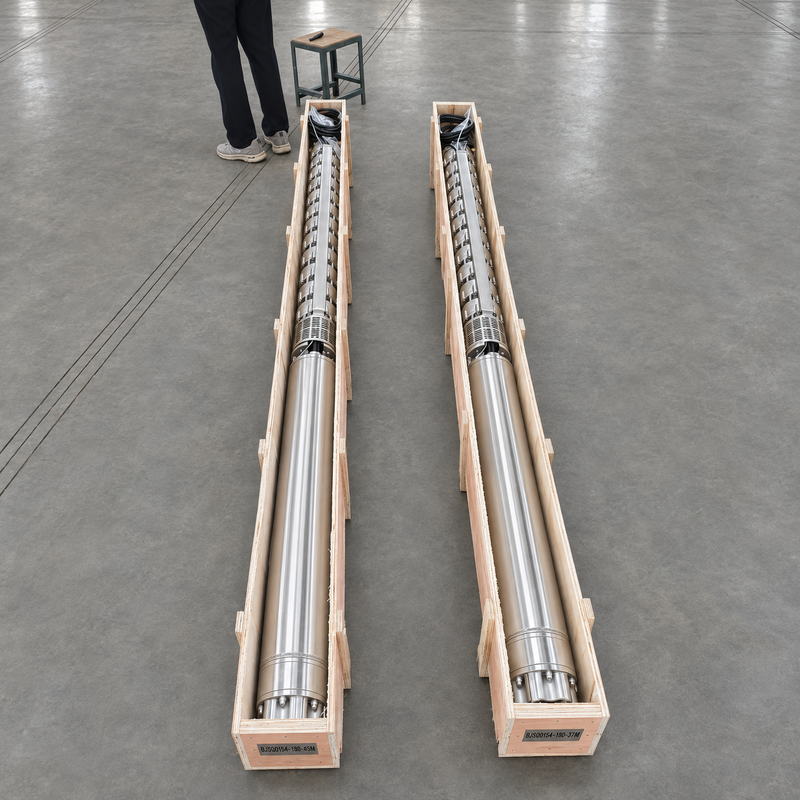
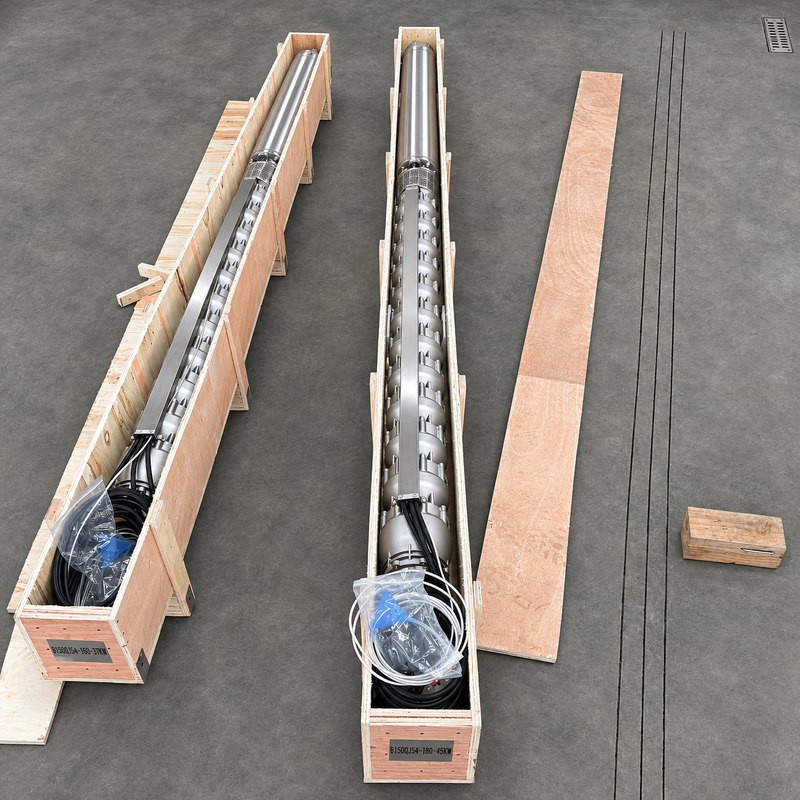
We test our pumps before shipment and pack them for delivery after they pass the required checks. If your project needs particular test records or inspection documents, include those requirements when requesting the quotation.
The offer should also identify the included cable, controls and accessories, so you can see what still needs to be arranged at the installation site.
Frequently Asked Questions
Can this pump fill a tank on higher ground?
It can be assessed for that application. Send the pumping water level, tank elevation and pipeline details so we can calculate the required duty.
Does it deliver more water than the 200QJ20-81/6?
Both models have the same listed flow range of 18–22 m³/h, but different head ranges. Actual flow depends on the system and the selected pump curve.
Is a stainless steel grade included in the model number?
The model number alone does not identify the full material configuration. We specify the grade and component materials in the quotation.
Can I keep my existing control panel?
Send the panel specifications and power-supply details. Compatibility needs to be checked against the selected motor and starting arrangement.


 Your message must be between 20-3,000 characters!
 english
 français
 Deutsch
 Italiano
 Русский
 Español
 português
 Nederlandse
 ελληνικά
 日本語
 한국
 العربية
 हिन्दी
 Türkçe
 indonesia
 tiếng Việt
 ไทย
 বাংলা
 فارسی
 polski